Choosing the Right Product Starts With Your Real Needs
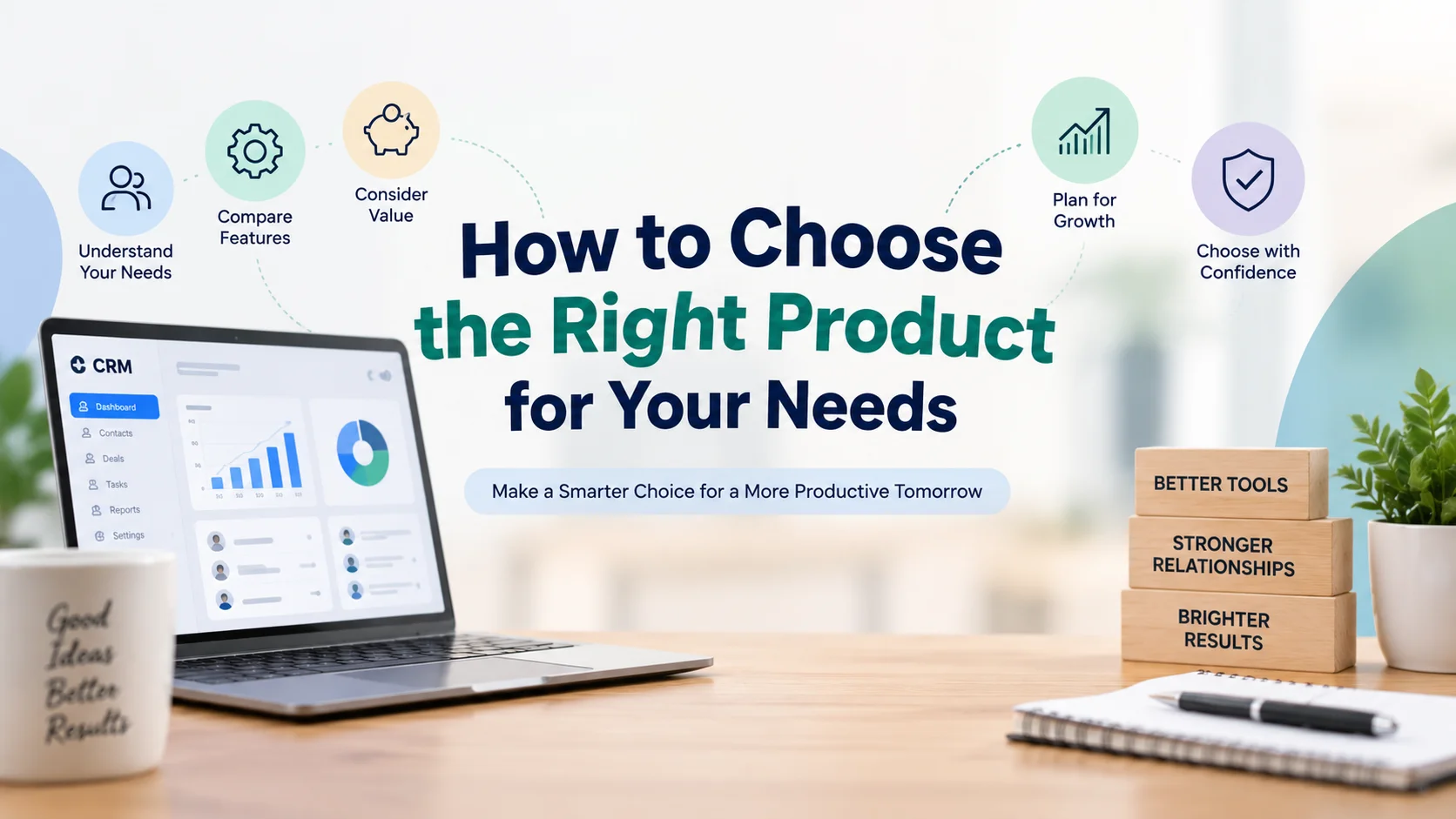
Buying a product can feel harder than it should. With countless options, polished advertisements, and long feature lists, it is easy to choose something that looks impressive but does not fit your situation. The better approach is to start with what you need today. Whether you are choosing a tool for personal use or comparing CRM Software for a growing business, your decision should come from practical needs rather than a crowded list of features.
Start With the Problem
Before comparing products, describe the problem you want to solve. In that case, CRM Software should make those daily tasks easier instead of adding another complicated system.
Think about how the product will be used. Who will use it? How often will they use it? What task should become simpler after you start using it?
Match Features to Your Routine
Features matter when they support the way you work. A product with dozens of advanced options may seem better, yet unused features can make the experience confusing. When reviewing CRM Software, focus on functions that your team will genuinely use, such as contact management, sales tracking, task organization, reporting, or communication history.
Imagine an ordinary working day. Would the product save time during common tasks? Can information be found without unnecessary clicks? Does it fit the habits your team already has?
Think Beyond the Price Tag
Price is important, but the cheapest option is not always practical. Look at the total cost of using the product, including setup, training, upgrades, support, and the time employees spend learning it. A reasonably priced CRM Software can become expensive if it creates extra work every day.
Check Ease of Use
A product can have excellent capabilities and still fail if people do not want to use it. This is especially important when selecting CRM Software for a team. If the interface feels confusing, employees may avoid updating records, reducing the value of the system.
Look for a clear layout, sensible navigation, and a setup process that does not feel overwhelming. A short trial can reveal frustrations that are difficult to notice in screenshots.
Consider Growth and Flexibility
Your needs may change as your business grows. A product that works well for a small team might become restrictive later. When comparing CRM Software, consider whether it can handle more customers, users, data, and processes without becoming difficult to manage.
Flexibility matters too. Your team may eventually need integrations, automation, new reporting options, or different user permissions. Choosing CRM Software with room for change can prevent the hassle of replacing your system too soon.
Make the Final Choice With Confidence
Once you have narrowed down your options, compare them against the problems you identified at the beginning. Ask which CRM Software fits your workflow, budget, team size, and future plans most naturally. Do not let a flashy feature decide the purchase if it does not solve a real problem.
The right product is usually the one that feels useful in everyday work. A CRM Software choice should fit your team. Take your time, test where possible, and judge each option by how well it supports your actual needs. For teams evaluating CRM Software, a thoughtful choice can save money, reduce frustration, and make the CRM Software easier to rely on later. Before committing, check whether the CRM Software you prefer can keep meeting those needs as your priorities change.